
DEPARTMENT OF BIOETHICS | 5849 UNIVERSITY AVENUE | HALIFAX N.S | CANADA | +1 (902) 494-3801
  • FACULTY OF MEDICINE
  • BIOETHICS HOME
  • OUR PEOPLE
  • EDUCATION
  • Ethics in Medical Education
  • Undergraduate Medical Education
  • Postgraduate Medical Education
  • Continuing Medical Education and Faculty Development
  • Collaboration and Consultation
  • Graduate Training in Bioethics
  • PUBLIC EVENTS
  • RESEARCH
  • ETHICS COLLABORATIONS
  • JOB OPPORTUNITIES
  • CONTACT US

Education - Undergraduate Ethics Education

Dalhousie’s undergraduate medical education (UME) program is a case-oriented, problem-stimulated (COPS) curriculum based in the pedagogy of problem-based learning (PBL). A number of longitudinal courses supplement and reinforce the skills developed in the COPS. Ethics is tightly integrated across the curriculum.

Overall Learning Objectives
Patient-Doctor Unit
Case-Oriented, Problem Stimulated Learning
Clerkship
Electives
Student Initiatives
Curriculum Development


Overall Learning Objectives for Ethics in UME

By the time you complete UME, you will be able to:

  • interpret and apply the CMA Code of Ethics;
  • find and interpret specific ethical practice guidelines and policies from government agencies, regulatory bodies, and professional organizations;
  • search for and critically evaluate the bioethics literature; and
  • engage in constructive conversation with peer and senior colleagues in areas of conflicting values;

...so that in a given practice situation, you can:

  • identify, understand, and weigh the ethical values and diverse perspectives at stake in challenging practice situations and social debates concerning the practice of medicine;

...in order to be able to:

  • choose appropriately, in the context of patient-centred team care, a course of action that is ethically informed; and
  • be accountable to your profession and the public for your responsibilities as a physician.

[top]

Ethics in the Patient-Doctor Unit

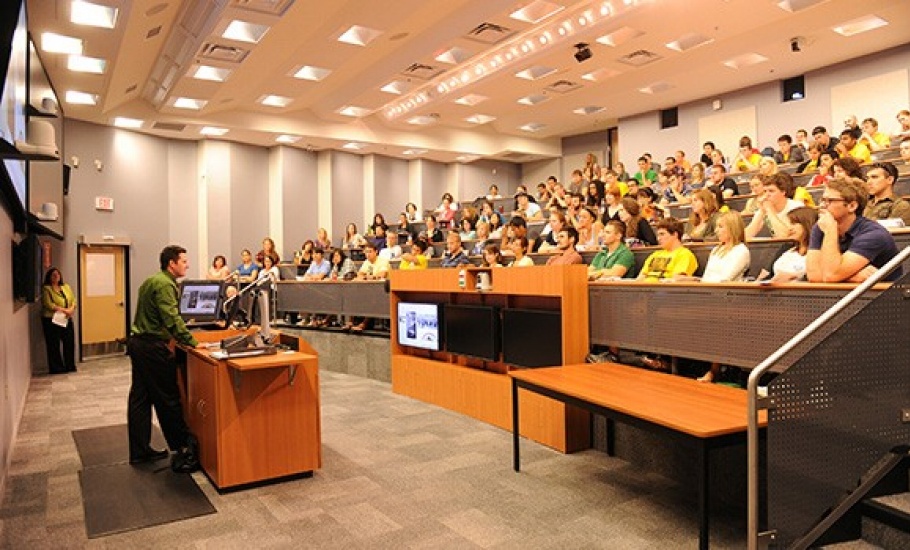
There is a series of seven ethics lectures and three assignments in the first year. Through these, medical students develop a basic understanding of the requirements of ethics in clinical practice and the analytical framework for thinking through ethical issues.

Students learn three essential skills for life-long learning: locating, applying and evaluating their code of ethics and policy and guidance documents from relevant professional bodies; identifying and evaluating the academic and clinical ethics literature; and collaborating with peer and senior colleagues across professional boundaries to understand the lived experience of ethics in clinical practice, while developing communication and consultation skills around contentious, value-laden issues.

[top]

Ethics in COPS

A pilot initiative in one of the COPS units (Genetics, Embryology and Reproduction) has demonstrated the feasibility of integrating ethics into the COPS curriculum, thereby fostering the self-directed application of skills gained in the Patient-Doctor Unit. Members of the Bioethics Department are available to collaborate in all COPS Units (and longitudinal courses) to integrate ethics into the synthesis and application of basic science knowledge and clinical skills.

[top]

Ethics in Clerkship

Med 3 students

In Introduction to Clerkship, we orient students to the ethics resources in the health districts, explore end of life issues, and consider some aspects of institutional trust and the diversity of the public served in hospital setting. We also deliver tutorial sessions on relevant topics in the clerkship rotations.

Contact Dr. Lynette Reid, coordinator for ethics education in the medical school, for assistance in developing and delivering an ethics education component in your clerkship unit.

Role-modeling and the culture of the clinical site are the predominant forces in the “real-world” ethics education of clerkship. The Bioethics Department offers a Faculty Development Series on Teaching Ethics in the Clinical Setting to assist clinical preceptors and program directors in developing the skills to address ethical issues with clerks (and residents) in clinical placements.

[top]

Electives

Medical students at Dalhousie may complete their first, second, or fourth year electives in the area of bioethics, either as a single area of concentration or in collaboration with clinical or basic science research placements. Contact the specific faculty member with whom you would like to work, or Dr. Lynette Reid, coordinator for ethics education in the medical school, in order to arrange an elective experience.

[top]

Student Initiatives

Department members are always happy to hear from students about their self-organized interest groups, and have contributed ethics perspectives to student groups in areas such as global health, aboriginal health, and physician-industry relations. Contact the specific faculty member from whom you would like assistance, or Dr. Lynette Reid, coordinator for ethics education in the medical school.

[top]

Curriculum Development

Bioethics faculty collaborate in a number of curriculum committees and planning processes within the Faculty of Medicine, as well as consulting nationally and internationally on curriculum development. Contact Dr. Lynette Reid, coordinator for ethics education in the medical school, for support in curriculum development.

Copyright © 2004-2010 by Dalhousie University. All rights reserved. Disclaimer

Page last modified: